
When designing outdoor jackets, selecting the right fabric is essential for achieving the desired balance between comfort, weather protection, and performance. Two of the most popular materials in technical outerwear are softshell and hardshell fabrics. While both are widely used in outdoor apparel, they serve different purposes depending on the activity and environment.
For brands developing hiking jackets, ski wear, climbing apparel, or travel outerwear, understanding the differences between these fabrics is key to making informed sourcing decisions. Choosing high-quality soft shell fabric for jackets from an experienced manufacturer like Weaver Birds helps ensure your products meet both functional and consumer expectations.
Although softshell and hardshell fabrics are both designed for outdoor use, they prioritize different performance characteristics.
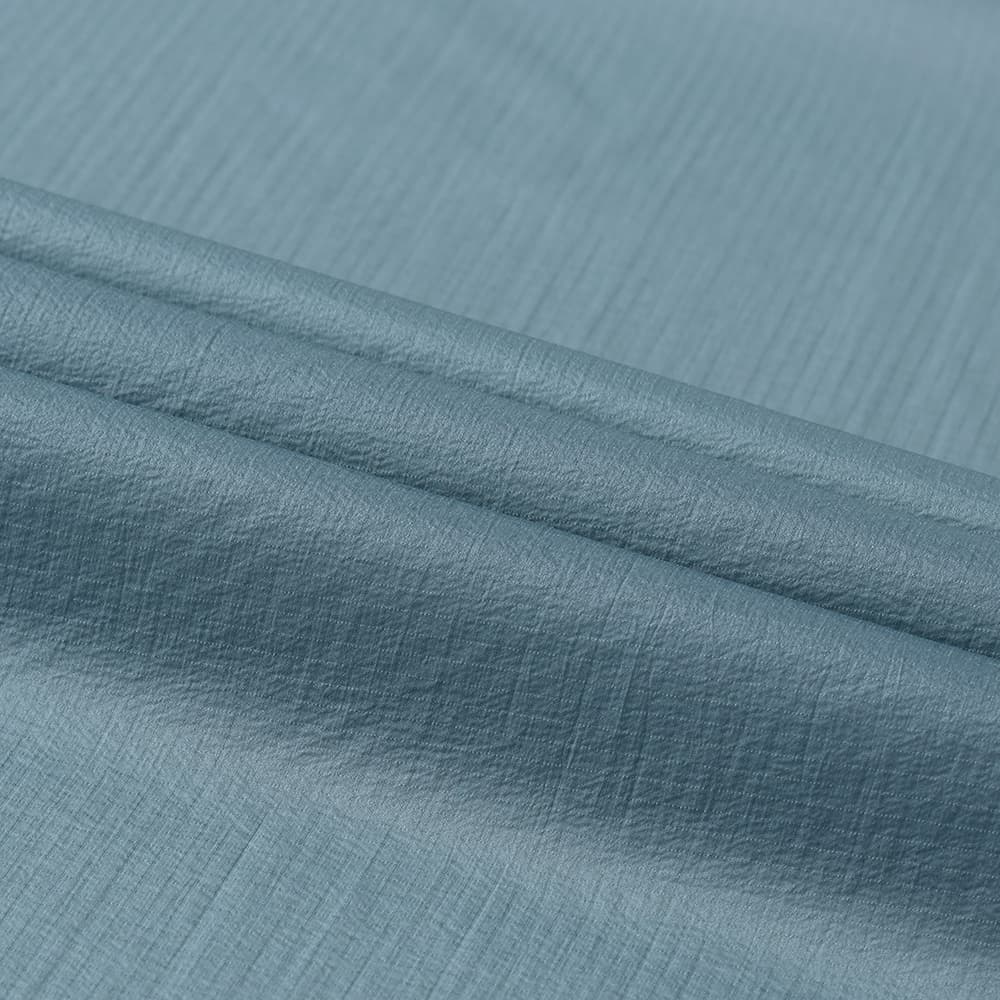
Softshell fabric is a woven or knitted material engineered to offer flexibility, breathability, and moderate weather resistance. It often combines polyester or nylon with elastane and may include a soft brushed inner layer for additional warmth.
Most softshell fabrics feature a Durable Water Repellent (DWR) finish, allowing them to repel light rain while maintaining excellent airflow.
Hardshell fabric is built for maximum weather protection. It typically consists of a durable outer fabric laminated with a waterproof and breathable membrane, often combined with fully sealed seams to prevent water penetration.
Hardshell jackets are designed for harsh weather conditions such as heavy rain, snow, and strong winds.
Fabric weight significantly influences comfort, mobility, and user experience.
One of the biggest advantages of soft shell fabric for jackets is its lightweight construction.
Benefits include:
· Reduced fatigue during long hikes
· Greater wearing comfort
· Better freedom of movement
· Easier all-day use
Softshell jackets are an excellent choice for users who prioritize comfort during moderate outdoor activities.
Hardshell fabrics generally weigh more because they include waterproof membranes, protective coatings, and reinforced construction.
However, modern textile technologies have made today's hardshell fabrics significantly lighter than previous generations.
For extreme weather protection, the additional weight is often well justified.
Breathability is critical for maintaining comfort during physical activity.
Softshell fabrics allow heat and moisture vapor to escape more efficiently than most waterproof fabrics.
This makes them ideal for:
· Hiking
· Trail running
· Cycling
· Climbing
· Trekking
Improved breathability reduces sweat buildup and helps regulate body temperature during strenuous activities.
Modern waterproof membranes have greatly improved the breathability of hardshell jackets.
However, because their primary purpose is blocking water and wind, airflow is generally lower than that of softshell fabrics.
For high-intensity activities, users may rely on ventilation features such as pit zips to improve airflow.
Outdoor enthusiasts often value jackets that are easy to carry when not in use.
Softshell garments are flexible and compress easily inside backpacks or travel bags.
Advantages include:
· Minimal storage space
· Wrinkle resistance
· Comfortable packing
· Convenient travel use
These qualities make softshell jackets popular for everyday adventures and changing weather conditions.
Many lightweight hardshell jackets are also designed for compact storage.
Premium technical shells often fold into their own pockets or compression sacks, making them practical emergency rain layers.
Although slightly less compressible than softshell garments, modern hardshells remain highly portable.
Choosing between softshell and hardshell depends largely on how the jacket will be used.
Soft shell fabric for jackets is well suited for:
· Hiking
· Climbing
· Cycling
· Camping
· Daily outdoor wear
· Travel
Its combination of breathability, flexibility, and light weather protection makes it ideal for active users.
Hardshell fabrics perform best in severe environments such as:
· Heavy rain
· Snowstorms
· Alpine climbing
· Skiing
· Mountaineering
· Professional outdoor work
Maximum waterproof protection makes them indispensable for challenging weather conditions.
Beyond weight, breathability, and packability, several additional features influence jacket performance.
Softshell fabrics typically include elastane, offering two-way or four-way stretch.
This allows unrestricted movement during activities that require frequent bending, climbing, or reaching.
Most hardshell fabrics have limited stretch, although some premium laminated materials now incorporate elastic properties.
Softshell fabrics resist light rain and wind but are not intended for prolonged exposure to heavy precipitation.
Hardshell fabrics provide complete waterproof and windproof protection, making them the preferred option for extreme weather.
Both fabric types can deliver excellent durability when engineered properly.
High-quality fabrics should resist:
· Abrasion
· Tearing
· Pilling
· Color fading
· Repeated washing
Working with an experienced manufacturer ensures these performance characteristics remain consistent throughout production.
When sourcing materials, apparel brands should evaluate:
Consider whether the jacket is designed for casual outdoor wear, technical climbing, hiking, or professional work environments.
Select lightweight materials for mobility or heavier constructions for improved durability and warmth.
Look for fabrics offering:
· Breathability
· Water resistance
· Wind resistance
· Stretch recovery
· Moisture management
· Abrasion resistance
Partnering with a knowledgeable supplier ensures access to advanced textile technologies and customized fabric solutions.
Weaver Birds specializes in developing premium soft shell fabric for jackets for outdoor apparel brands around the world.
The company provides:
· Lightweight and durable softshell fabrics
· Four-way stretch textile solutions
· Water-resistant and windproof materials
· Moisture-wicking performance fabrics
· Sustainable recycled fabric options
· Custom fabric development services
· Strict quality control and laboratory testing
· Reliable production capacity and global delivery
By combining textile innovation with manufacturing expertise, Weaver Birds helps brands create jackets that balance performance, comfort, and durability.
Softshell and hardshell fabrics each offer unique advantages. Softshell materials excel in lightweight comfort, breathability, flexibility, and packability, making them ideal for active outdoor pursuits and everyday wear. Hardshell fabrics provide unmatched waterproof and windproof protection for extreme weather and demanding environments.
For brands developing versatile outdoor apparel, selecting premium soft shell fabric for jackets from Weaver Birds ensures access to high-performance materials, technical expertise, and dependable manufacturing support. By choosing the right fabric for each application, you can create jackets that deliver exceptional comfort, protection, and long-lasting value.
Previous: Can You Use Soft Shell Fabric for a Waterproof Outer Layer?
Next: Silver Fiber vs Stainless Steel Fiber: Which EMF Fabric Is Better?
Copyright:@2020-2021

Comments Please sign in or sign up to post.
0
0 of 500 characters used