
Sustainable building certification systems like LEED and BREEAM are now essential benchmarks for modern construction projects. Developers, architects, and contractors increasingly choose materials that support environmental performance, indoor air quality, and low-emission construction practices. One material that plays a growing role in these certifications is No Formaldehyde Glass Wool.
Products such as Huana No Formaldehyde Glass Wool are designed not only for thermal and acoustic insulation but also to support compliance with green building credit requirements. This makes them a strategic choice for projects targeting higher sustainability ratings.
No Formaldehyde Glass Wool is an advanced insulation material made from fine glass fibers bonded with formaldehyde-free resins. Unlike traditional insulation products that may release volatile organic compounds (VOCs), this material is engineered to minimize harmful emissions.
It delivers the same core performance as conventional glass wool:
· High thermal insulation efficiency
· Excellent sound absorption
· Fire resistance
· Lightweight installation
But with significantly improved indoor air quality characteristics, making it more suitable for green-certified buildings.
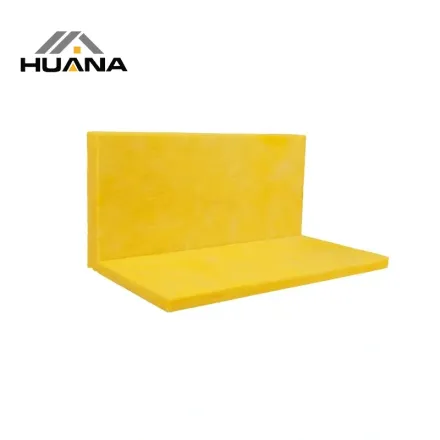
To understand how No Formaldehyde Glass Wool contributes to certification, it is important to look at what LEED and BREEAM evaluate.
LEED (Leadership in Energy and Environmental Design) is a globally recognized green building rating system that assesses:
· Energy efficiency
· Indoor environmental quality
· Material selection
· Resource sustainability
· Emissions reduction
Indoor air quality and low-emitting materials are key categories that influence certification points.
BREEAM (Building Research Establishment Environmental Assessment Method) evaluates building sustainability through:
· Health and wellbeing
· Energy performance
· Pollution control
· Materials and waste management
· Water efficiency
Like LEED, BREEAM places strong emphasis on reducing harmful emissions from building materials.
One of the most important LEED credit categories is “Low-Emitting Materials.” Products used in interior construction must demonstrate low or zero formaldehyde emissions.
No Formaldehyde Glass Wool helps meet this requirement because it:
· Eliminates formaldehyde-based binders
· Reduces VOC emissions
· Supports healthier indoor air quality
This directly contributes to earning points under LEED indoor environmental quality credits.
Indoor air quality testing is often required during LEED certification. Using Huana No Formaldehyde Glass Wool helps reduce baseline VOC levels, making it easier to meet air quality thresholds during construction and occupancy phases.
LEED increasingly values environmental product declarations (EPDs) and transparency documentation. Many formaldehyde-free insulation products provide better compliance documentation, supporting project reporting requirements.
BREEAM places strong emphasis on occupant health. Materials that reduce harmful emissions contribute to credits under indoor air quality and health-related categories.
No Formaldehyde Glass Wool supports this by:
· Reducing indoor chemical exposure
· Improving long-term air quality stability
· Supporting safer occupied environments
BREEAM rewards the use of environmentally responsible materials. Formaldehyde-free insulation aligns with this goal by minimizing toxic chemical use in manufacturing and installation.
Because BREEAM also considers building-related pollution, using low-emission insulation contributes indirectly to pollution reduction targets, particularly in enclosed environments such as offices, schools, and hospitals.
Beyond air quality, No Formaldehyde Glass Wool provides strong thermal insulation performance. This helps reduce heating and cooling energy demand, supporting LEED and BREEAM energy efficiency credits.
Lower energy consumption also reduces overall carbon emissions, improving a project’s sustainability score.
The fibrous structure of glass wool absorbs sound effectively, improving acoustic comfort in interior spaces. This supports wellbeing-focused credits in both LEED and BREEAM frameworks.
Glass wool is non-combustible, which supports fire safety standards required in many certified building projects. This improves overall building performance assessments.
Offices targeting LEED or BREEAM certification often use Huana No Formaldehyde Glass Wool in:
· Interior partitions
· Ceiling systems
· HVAC insulation
This improves both energy efficiency and occupant comfort.
Schools benefit significantly from low-emission insulation due to the sensitivity of children to indoor air pollutants.
Hospitals require strict control of indoor air quality. Formaldehyde-free insulation supports infection control and patient comfort.
Eco-friendly residential projects increasingly adopt No Formaldehyde Glass Wool to meet green building standards and attract environmentally conscious buyers.
To support LEED or BREEAM submissions, project teams should ensure:
· Product data sheets are available
· Emission test reports are provided
· Environmental declarations are documented
Even low-emission materials require proper installation to maintain performance. Sealing joints and avoiding air leakage ensures optimal thermal and air quality results.
Huana offers insulation solutions designed for high-performance and sustainable construction projects.
Key advantages include:
· Formaldehyde-free manufacturing process
· Strong support for LEED and BREEAM credits
· Excellent thermal insulation performance
· Reliable acoustic absorption
· Low VOC emissions for healthier indoor air
· Fire-resistant and durable structure
· Suitable for commercial and residential applications
These features make Huana products a practical choice for projects targeting green certification.
No Formaldehyde Glass Wool plays an important role in helping modern construction projects achieve LEED and BREEAM certification goals. By eliminating harmful emissions and improving indoor air quality, it directly supports key credit categories such as low-emitting materials and health and wellbeing performance.
At the same time, products like Huana No Formaldehyde Glass Wool maintain excellent thermal, acoustic, and fire-resistant properties, making them a well-rounded solution for sustainable building design.
As green building standards continue to evolve, formaldehyde-free insulation will remain a critical material choice for achieving higher certification levels and creating healthier indoor environments.
Previous: FRP Storage Tanks: The Backbone of Chemical and Water Infrastructure
Next: How do automatic chicken cages improve poultry farm efficiency?
Copyright:@2020-2021

Comments Please sign in or sign up to post.
0
0 of 500 characters used