
Composite panels have become an essential material in modern construction, transportation, cold chain logistics, and industrial manufacturing. Their lightweight structure, excellent insulation properties, and high mechanical strength make them ideal for a wide range of applications. However, achieving reliable performance depends not only on the panel materials but also on selecting the right adhesive.
PU foam adhesive for composite panels has gained popularity because it combines strong bonding performance with gap-filling capabilities, thermal insulation, and easy application. This article explains when to use PU foam adhesive, its key advantages, and how YouXing Shark helps manufacturers and contractors achieve durable composite panel assemblies.
PU foam adhesive for composite panels is a one-component polyurethane adhesive that cures by reacting with moisture in the air. During curing, it expands in a controlled manner, filling small gaps and creating a strong bond between different substrates.
Unlike traditional mechanical fasteners, PU foam adhesive distributes stress evenly across the bonded surface while improving airtightness and thermal insulation.
It is widely used for bonding:
· Metal composite panels
· Insulated sandwich panels
· Aluminum composite panels
· Cement fiber boards
· Decorative wall panels
· Roof insulation panels
· Cold storage insulation panels
Its versatility makes it an excellent choice for both factory production and on-site installation.
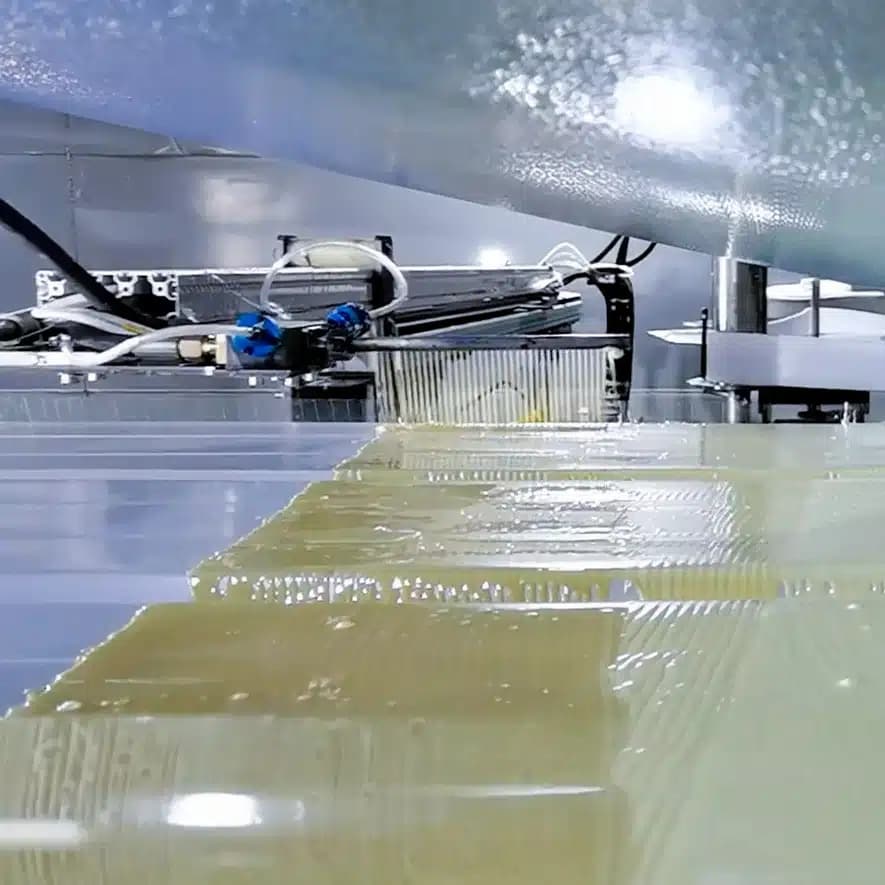
A high-quality PU foam adhesive for composite panels provides excellent adhesion to various materials, including:
· Aluminum
· Galvanized steel
· Stainless steel
· Wood
· Concrete
· Cement board
· Rigid foam insulation
· Plastic composites
The cured adhesive maintains long-term bonding performance even under vibration and temperature fluctuations.
Unlike many conventional adhesives, PU foam adhesive expands slightly during curing.
This controlled expansion helps:
· Fill uneven surfaces
· Eliminate small voids
· Improve contact between substrates
· Reduce air leakage
· Enhance insulation performance
This feature is especially valuable when panel surfaces are not perfectly flat.
PU foam adhesive adds minimal weight to composite panel assemblies compared to mechanical fasteners or excessive adhesive layers.
For transportation equipment, lightweight construction helps improve fuel efficiency while maintaining structural integrity.
Choosing the right adhesive depends on the application's structural requirements, environmental conditions, and production process.
PU foam adhesive is widely used to install:
It securely bonds EPS, XPS, PIR, and PUR insulation boards to masonry, concrete, or other building substrates while minimizing thermal bridges.
The adhesive creates durable bonds that resist moisture and weather exposure while supporting long-term thermal performance.
Interior wall panels require adhesives that provide:
· Reliable bonding
· Clean application
· Minimal mechanical fasteners
· Good acoustic performance
PU foam adhesive delivers these advantages while simplifying installation.
Manufacturers producing lightweight sandwich panels often use PU foam adhesive for composite panels to bond:
· Metal skins
· Foam cores
· Decorative laminates
· Composite facings
Its ability to distribute stress evenly helps improve panel durability.
Cold storage construction demands adhesives capable of handling:
· Low temperatures
· Moisture exposure
· Thermal cycling
· Long-term dimensional stability
PU foam adhesive supports these requirements while enhancing the insulation performance of composite panels.
PU foam adhesive works exceptionally well for non-load-bearing sandwich panel assemblies used in commercial buildings, modular construction, and industrial facilities.
For architectural cladding and decorative applications, the adhesive provides secure bonding while accommodating slight movement caused by thermal expansion.
Prefabricated buildings benefit from the fast installation and reliable sealing properties of PU foam adhesive, reducing labor costs and improving construction efficiency.
PU foam adhesive helps create airtight panel assemblies that contribute to better energy efficiency and controlled indoor environments.
Although PU foam adhesive for composite panels is highly versatile, it is not the best solution for every application.
For projects involving:
· Heavy structural loads
· Continuous dynamic stress
· High-impact environments
· Safety-critical assemblies
· Vehicle chassis or structural frames
Two-component structural polyurethane or epoxy adhesives are often the preferred choice because they provide higher mechanical strength.
Understanding the performance requirements of your project is essential when selecting the appropriate adhesive.
Before applying adhesive:
· Remove dust and dirt
· Eliminate grease and oil
· Ensure surfaces are dry
· Remove loose coatings if necessary
Proper surface preparation significantly improves adhesion.
Using too much adhesive can increase curing time and waste material, while insufficient application may reduce bond strength.
Apply a continuous, even bead according to the manufacturer's recommendations.
Environmental conditions affect curing speed and final performance.
For best results:
· Store adhesive within the recommended temperature range.
· Apply under suitable ambient conditions.
· Allow sufficient curing time before moving or loading the panels.
Every adhesive formulation has unique application requirements.
Following the technical guidelines provided by the manufacturer helps ensure optimal bonding performance.
YouXing Shark is committed to providing reliable PU foam adhesive for composite panels that meets the demands of modern construction and industrial manufacturing.
Every production batch undergoes strict quality control to ensure stable expansion, reliable bonding, and consistent curing performance.
YouXing Shark adhesives bond effectively to a wide variety of construction and composite materials, supporting long-lasting panel performance.
Designed for professional installers and manufacturers, the products are compatible with standard foam dispensing guns and help improve installation efficiency.
The YouXing Shark technical team provides guidance on adhesive selection, application methods, and process optimization, helping customers achieve the best possible results for their composite panel projects.
PU foam adhesive for composite panels is an excellent solution for applications requiring reliable bonding, gap filling, thermal insulation, and efficient installation. It is particularly well suited for building insulation systems, decorative panels, modular construction, sandwich panels, and cold storage facilities.
While structural adhesives remain the preferred choice for heavy load-bearing applications, PU foam adhesive offers an ideal balance of strength, flexibility, ease of use, and cost-effectiveness for many composite panel assemblies. With advanced formulations, dependable quality, and expert technical support, YouXing Shark provides PU foam adhesive solutions that help manufacturers and contractors achieve durable, energy-efficient, and high-quality panel installations.
Previous: Why Weight Loss Peptides Are Considered High-Growth Opportunities for New Brands
Next: Hindered Phenols vs Phosphite Antioxidants: Which Protects Plastics Better?
Copyright:@2020-2021

Comments Please sign in or sign up to post.
0
0 of 500 characters used