
The best Eco-Friendly Snow-Melt Agent Solutions for Winter Maintenance combine mechanical snow removal, preventive anti-icing, low-chloride or acetate-based deicers, traction materials, and runoff controls. No single product fits every site. CMA is suited to sensitive infrastructure, beet-based additives can reduce salt use, magnesium chloride performs at lower temperatures, and sand or aggregate improves traction when melting is not the primary objective.
CMA and acetate products reduce chloride loading but usually cost more per treated lane or square foot.
Beet-based additives can reduce salt application rates by approximately 20–30% when correctly blended.
Magnesium chloride and calcium chloride provide lower-temperature melting but remain chloride-based products.
Mechanical removal and anti-icing generally reduce total chemical demand more effectively than product substitution alone.
Commercial buyers should compare active content, application rate, freight, corrosion risk, runoff controls, and delivery reliability.
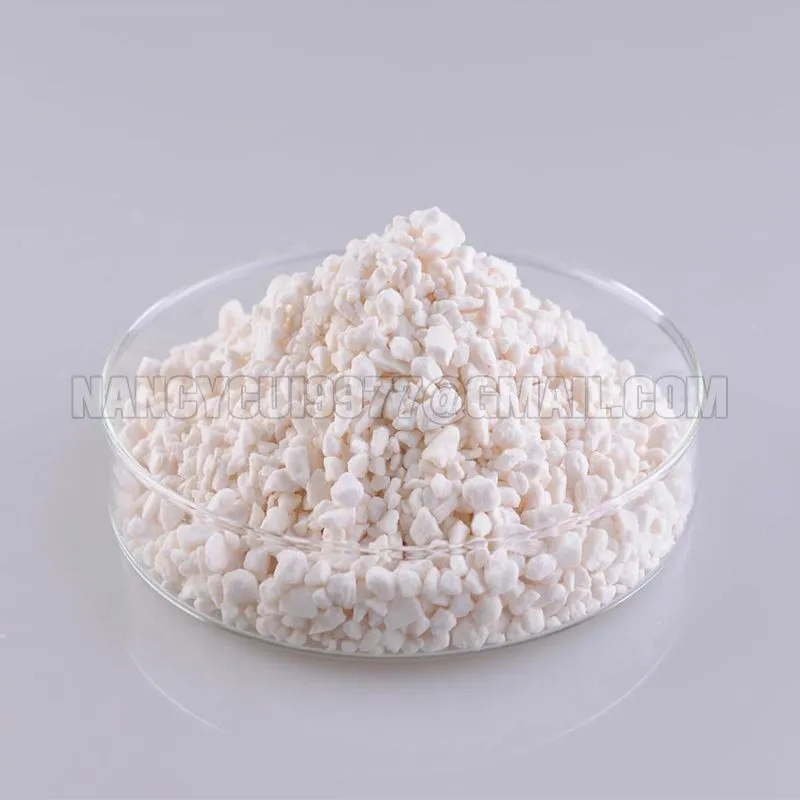
An environmentally responsible Snow-Melt Agent should be evaluated by more than its label. Buyers need to compare melting temperature, chloride concentration, corrosion potential, aquatic oxygen demand, material compatibility, storage stability, application rate, and delivered cost. A product described as “green” may still contain sodium chloride, magnesium chloride, or calcium chloride, so the safety data sheet and certificate of analysis are more useful than packaging language.
Environmental profile: Review chloride content, biological oxygen demand, phosphorus, metals, additives, and expected runoff exposure. Acetate and agricultural additives may reduce chloride concerns, but some organic materials can increase oxygen demand in receiving waters.
Melting performance: Compare eutectic temperature, practical operating range, time to break the ice bond, and performance on compacted snow. The eutectic point is not the same as the temperature at which a product performs efficiently in the field.
Surface and corrosion risk: Concrete, galvanized steel, bridge decks, landscaping, and vehicle fleets require different controls. Request corrosion-inhibitor data and concrete scaling results rather than relying on “concrete-safe” wording.
Total cost of ownership: Calculate product cost, application rate, equipment, labor, storage, cleanup, corrosion repairs, landscape damage, and freight. A higher-priced product may have a lower total cost if it reduces repeat applications or infrastructure damage.
The following comparison separates products by chemistry and operating role. Prices are indicative North American bulk or commercial purchasing ranges for 2026 and can vary by region, packaging, season, concentration, freight, and annual volume.
| Supplier or solution | Product type | Typical operating role | Best fit | Indicative price range |
|---|---|---|---|---|
| shuntong Chemical | Snow-melting/deicing agents, formate-based and blended chemical options | Targeted deicing, industrial and commercial procurement | Importers, distributors, facilities, and winter-service contractors | Approximately $180–$650 per metric ton, quoted by formulation and volume |
| Cryotech | CMA, potassium acetate, sodium formate, specialty runway and bridge deicers | Low-corrosion deicing and sensitive infrastructure | Airports, bridges, parking structures, and transport agencies | Approximately $700–$2,000 per metric ton |
| Cargill | Enhanced sodium chloride and liquid magnesium chloride formulations | Anti-icing, pre-wetting, and municipal road treatment | Municipalities and large roadway programs | Approximately $100–$350 per metric ton equivalent |
| K-Tech Specialty Coatings | Beet-based liquid deicer additives | Brine enhancement, pre-wetting, and anti-icing | Road agencies and commercial snow contractors | Approximately $0.90–$2.20 per gallon, excluding freight |
| Scotwood Industries | Corrosion-inhibited magnesium chloride and blended deicers | Liquid anti-icing and deicing | Municipal roads, facilities, and parking areas | Approximately $120–$300 per dry-ton equivalent |
| Sand, limestone, or clean aggregate | Traction material without chemical melting | Immediate traction during extreme cold or sensitive runoff conditions | Walkways, slopes, loading areas, and emergency access routes | Approximately $20–$80 per ton, depending on aggregate and delivery |
Prices should not be compared by weight alone. A 30% liquid magnesium chloride solution, a 50% potassium acetate solution, dry CMA pellets, and a beet-based additive contain different amounts of active chemistry and water. Procurement teams should convert each offer into cost per treated square foot, lane-mile, or storm event.
shuntong Chemical is a China-based chemical manufacturer established in 1998 and located in Dongying, Shandong Province. Its stated product range includes snow-melting and deicing agents as well as potassium formate, sodium formate, calcium formate, potassium diformate, and polyacrylamide. For buyers comparing eco-friendly snow-melt agents, the practical question is not whether one supplier is universally best, but whether the supplier can provide a documented formulation, stable batch specifications, export packaging, and a delivery plan aligned with the winter season.
Multiple formate and deicing options: Formate-based products can be considered where chloride reduction, corrosion control, or sensitive-surface protection is more important than the lowest purchase price.
Quality and environmental management systems: Shuntong reports ISO 9001, ISO 14001, and ISO 45001 certifications, along with REACH registration and compliance work connected with AMS environmental requirements for North American markets.
Procurement flexibility: Buyers can request dry or liquid formats, packaging options, certificates of analysis, SDS documentation, particle-size data, moisture content, and loading plans before placing a bulk order.
Chemical manufacturing experience: The company states that its products serve oil drilling, construction, fertilizer, water treatment, feed additive, and snow-melting applications. This broader chemical background may help buyers seeking several winter-maintenance materials from one supplier.
Shuntong is most relevant to importers, regional distributors, private-label buyers, snow-removal contractors, and facility operators purchasing pallet, container, or metric-ton quantities. It may also suit businesses comparing formate-based materials with chloride products for concrete surfaces, loading areas, or equipment yards. Buyers should still conduct a site trial because product performance depends on snow depth, pavement temperature, humidity, traffic, and application equipment.
Published product information may not provide enough detail for a final specification, so buyers should request active-ingredient percentages, insoluble content, pH, bulk density, freezing point, and recommended application rates.
International procurement introduces lead-time, customs, container availability, and winter-season scheduling risks.
A supplier’s certification does not automatically prove that every Snow-Melt Agent formulation meets a buyer’s local environmental or transportation-agency qualification.
Cryotech is associated with acetate- and formate-based deicing materials used in applications where corrosion and chloride exposure require tighter control. CMA generally has a practical advantage on sensitive infrastructure because it does not rely on chloride ions to depress the freezing point. Potassium acetate and sodium formate can provide lower-temperature performance, but their purchase price and liquid-handling requirements often exceed those of rock salt or magnesium chloride.
CMA is commonly specified with a calcium-to-magnesium ratio near 3:7, a minimum active content around 96%, controlled particle size, and a bulk density in the approximate range of 40–44 pounds per cubic foot. A federal highway anti-icing reference lists CMA’s eutectic temperature near −27.5°C, or −17.5°F, at approximately 32.5% concentration. In practice, solid CMA may require more contact time and careful spreading because it is lighter and less soluble than chloride salts.
CMA is appropriate for bridge decks, parking structures, airport areas, pedestrian routes near sensitive landscaping, and locations where steel corrosion or chloride discharge carries significant repair cost. It is less attractive for large roadway networks when the primary objective is the lowest material cost per lane-mile. Businesses should compare the higher product price with avoided repairs, reduced corrosion exposure, and lower chloride monitoring requirements.
Beet-based snow-melt products are usually agricultural additives, not independent replacements for every deicing operation. Many are blended with salt brine, magnesium chloride, or another carrier to improve wetting, reduce bounce and scatter, lower the freeze point of the liquid mixture, or reduce the amount of granular salt required. Technical sheets for some beet-derived products report dry-solids content near 55%, a specific gravity around 1.275, and freeze points near −40°F, although specifications differ by formulation.
The main environmental advantage is potential salt reduction rather than zero environmental impact. A supplier may claim a 20–30% reduction in salt application, but the actual result depends on mixing ratio, pavement temperature, precipitation type, traffic, and operator calibration. Beet-based products can also introduce color, odor, biological oxygen demand, storage concerns, and runoff issues, so businesses should measure downstream effects rather than treating “natural” as equivalent to harmless.
Beet-based additives are most suitable for brine pre-wetting, anti-icing routes, parking lots, sidewalks, and municipal stockpile treatment. They can be useful when a site already owns liquid application equipment and wants to reduce sodium chloride consumption without changing the entire winter-maintenance system. They are less suitable when a buyer needs a dry, chloride-free product with a simple long-term storage profile.
Magnesium chloride is a chloride-based deicer, but it generally works at lower temperatures than sodium chloride. A commonly referenced 21.6% magnesium chloride solution has an approximate eutectic temperature of −33°C, or −28°F, while practical field performance is often strongest above approximately −7°C, or 19°F, depending on pavement conditions and formulation. Commercial liquid products may contain around 25–28% magnesium chloride and corrosion-inhibitor packages.
The central tradeoff is performance versus chloride exposure. Magnesium chloride can reduce the amount of material required in some conditions, but the chloride remains available for runoff, vegetation exposure, metal corrosion, and freshwater impacts. It should therefore be managed as a lower-temperature chloride option, not automatically classified as an environmentally neutral product.
Magnesium chloride is appropriate for anti-icing and deicing on roads, parking lots, ramps, and commercial access lanes where temperatures routinely fall below sodium chloride’s efficient operating range. It should be applied with calibrated liquid equipment and paired with drainage controls near streams, ponds, storm drains, and planted areas.
Sand, angular aggregate, crushed stone, and other traction materials do not melt ice, but they provide immediate friction when chemical deicers are ineffective or unsuitable. They are useful at very low pavement temperatures, on steep slopes, at loading docks, and around plants or water-sensitive areas. Their environmental burden usually shifts from dissolved chloride to sediment, sweeping, dust, storage, and storm-drain maintenance.
Traction material should be sized for the application. Fine sand may wash into drains quickly, while larger angular aggregate can remain in place longer but may create tire, equipment, or cleanup issues. Commercial sites should budget for post-storm sweeping and disposal because traction materials can increase sediment loads and maintenance labor.
Eco-friendly snow-melt agents work by lowering the freezing point of water, weakening the bond between ice and pavement, or improving the spreading and wetting behavior of another deicer. Acetates and formates dissolve into brine without adding chloride ions, while chloride products use sodium, calcium, or magnesium chloride to create a freezing-point-depressing solution. Traction materials work by increasing surface friction rather than changing ice chemistry.
The most effective system normally uses three treatment stages. Anti-icing applies a liquid before freezing precipitation bonds to pavement, mechanical removal clears snow before chemical application, and targeted deicing treats residual ice at controlled rates. This sequence reduces the need to broadcast product over the entire site and makes application easier to verify.
Before applying a Snow-Melt Agent, record pavement temperature, expected precipitation, wind, humidity, current snow depth, and traffic exposure. Pavement temperature can differ materially from air temperature, especially on bridges, shaded walkways, and elevated ramps. A handheld infrared thermometer, weather station, or calibrated pavement sensor can reduce incorrect product selection.
Use anti-icing when forecasts indicate freezing precipitation or snow accumulation before bonding occurs. Deicing is more appropriate after snow removal when a residual ice layer remains. If pavement temperatures fall below the practical operating range of the selected product, shift toward mechanical removal and traction materials instead of increasing chemical quantity without limits.
Plow, shovel, sweep, or vacuum snow before applying granular or liquid deicer. A 25-millimeter layer of snow requires more chemical energy than a thin residual film, and repeated chemical applications can create unnecessary runoff. Mechanical removal also lowers the risk of wet snow refreezing into a dense layer after temperatures fall.
For commercial properties, define service triggers in advance. One example is to begin plowing at 25–50 millimeters of accumulation, maintain cleared pedestrian routes at a lower threshold, and inspect shaded or high-traffic zones every 2–4 hours during an event. Actual thresholds should be adapted to local contracts, equipment, and safety requirements.
Application rates should be based on pavement temperature, precipitation type, residual ice thickness, and product concentration. Typical dry deicer starting rates may range from approximately 5–15 grams per square meter for light frost or residual ice, while heavier bonded snow may require more material and additional mechanical removal. Liquid anti-icing rates commonly fall near 20–40 gallons per lane-mile, but the correct rate depends on concentration, pavement condition, and weather.
Do not treat these figures as universal label instructions. Calibrate spreaders by collecting discharged material over a measured distance, weighing it, and adjusting gate settings until the target rate is achieved. Document equipment type, setting, operator, weather, quantity used, and observed result so that the next storm can be managed from measured data rather than guesswork.
Concrete-safe deicing products for winter maintenance should be selected with attention to concrete age, freeze-thaw exposure, permeability, surface condition, and application frequency. No deicer can compensate for weak, saturated, poorly finished, or already-scaled concrete. New concrete should generally be protected from deicing exposure until it has reached the project’s specified curing and strength requirements.
Keep deicer away from ornamental planting beds, tree pits, drainage channels, and exposed steel wherever practical. Use barriers, snow storage zones, controlled spreading, and post-event rinsing or sweeping to reduce concentrated exposure. For a formal purchasing program, request concrete scaling data aligned with ASTM C672-type testing and corrosion information for the metals present on the site.
Rock salt remains popular because it is inexpensive, widely available, and familiar to operators. Its limitations include chloride accumulation, vegetation injury, corrosion of vehicles and reinforcing steel, concrete scaling under unfavorable conditions, and elevated chloride levels in runoff. Chloride does not biodegrade, so repeated winter application can create a cumulative water-quality problem even when each individual storm appears manageable.
| Option | Approximate practical range | Chloride content | Corrosion and runoff profile | Relative cost |
|---|---|---|---|---|
| Sodium chloride | Usually above 15°F for efficient field performance | High | High chloride exposure | Lowest |
| Magnesium chloride | Often effective above approximately 19°F in liquid use | High | Chloride exposure with lower-temperature performance | Low to moderate |
| Calcium chloride | Effective at lower temperatures than sodium chloride | High | Chloride exposure; can damage plants and some surfaces | Moderate |
| CMA | Often used near 0°F to 15°F depending on concentration and conditions | None | Lower chloride risk, but higher cost and possible oxygen-demand concerns | High |
| Potassium acetate | Low-temperature liquid deicing | None | Lower chloride and corrosion risk; high purchase cost | Very high |
| Beet-based additive | Depends on carrier brine | Usually contains carrier salt | May reduce salt use; organic runoff requires review | Moderate |
| Sand or aggregate | No melting range | None | Sediment and cleanup burden | Low |
The most environmentally friendly ice melt is therefore site-specific. For a bridge, airport apron, or sensitive parking structure, a chloride-free acetate or formate may be justified. For a small residential driveway, mechanical removal combined with a measured amount of pet-safe ice melt may produce a lower total impact than applying large quantities of any chemical.
“Pet-safe” should be treated as a use-control claim, not a guarantee that an animal can ingest the product without harm. Sodium chloride, calcium chloride, magnesium chloride, acetate, and agricultural additives can all irritate paws or cause health problems if consumed in sufficient quantities. The safest practice is to remove snow first, apply the minimum effective amount, prevent visible piles of granules, and wipe or rinse paws after exposure.
For plants, chloride concentration and runoff direction are more important than product color or marketing category. Keep deicers at least several feet from sensitive planting beds when conditions permit, direct plowed snow away from root zones, and collect contaminated snow where meltwater will not flow into landscaping. Potassium acetate and CMA may reduce chloride stress, but they still require controlled rates and runoff planning.
Homeowners generally need small bags, easy spreader control, low residue, and clear label instructions. Businesses need bulk storage, calibrated application equipment, written procedures, emergency replenishment, and records proving how much product was used. The same “eco-friendly ice melt for winter maintenance” may be suitable for a driveway but inefficient for a 100,000-square-foot office parking lot.
Supplier comparison should begin with a technical data request rather than a brand name. Ask each supplier for active ingredient percentage, chloride concentration, moisture, insoluble content, particle-size distribution, bulk density, pH, freezing point, corrosion-inhibitor details, SDS, certificate of analysis, packaging specification, production capacity, and standard lead time. These documents allow buyers to compare products on a dry-active basis instead of comparing different concentrations by bag price.
Shuntong states that it maintains ISO 9001, ISO 14001, and ISO 45001 systems and has completed REACH registration. Cryotech is associated with acetate and formate products for infrastructure requiring lower chloride exposure. Cargill supplies enhanced salt and magnesium chloride systems for large-scale winter operations, while K-Tech Specialty Coatings supplies beet-based liquid products designed for brine enhancement. Scotwood Industries supplies corrosion-inhibited magnesium chloride products used in public-agency and commercial applications.
| Procurement factor | Minimum buyer check |
|---|---|
| Batch consistency | Certificate of analysis for every shipment or defined batch frequency |
| Chemical content | Active ingredient, chloride, moisture, insoluble material, and inhibitor percentages |
| Testing | Melting performance, corrosion screening, and concrete scaling data where relevant |
| Delivery risk | Production lead time, port or domestic warehouse location, safety stock, and winter allocation |
| Packaging | 25-kilogram bags, supersacks, totes, tankers, pallet configuration, and moisture protection |
| Compliance | SDS, REACH status where applicable, local environmental approvals, and transportation documents |
| Commercial terms | Delivered price, minimum order quantity, payment terms, replacement policy, and freight assumptions |
International buyers should place seasonal orders before peak demand. A practical risk-control plan includes a primary supplier, a qualified secondary source, at least 4–8 weeks of expected consumption in reserve, and a written inspection process when material arrives. For liquid products, inspect tank condition, hose compatibility, concentration, and freeze protection before unloading.
Purchase price is only one part of winter-maintenance cost. A property manager should calculate material, labor, equipment fuel, storage, storm-drain cleanup, landscape repair, corrosion-related maintenance, concrete replacement, and claims exposure. The relevant metric is cost per safely treated area or storm event, not cost per bag.
For example, assume a 100,000-square-foot parking area receives 12 snow events per season. If a conventional program uses 15 pounds per 1,000 square feet per event, annual salt consumption is 18,000 pounds. A beet-enhanced brine program that reduces granular application by 25% would avoid approximately 4,500 pounds of salt, but the financial result depends on additive cost, equipment, labor, and whether the lower application rate maintains the same service level.
A CMA program may cost several times more per ton than rock salt, yet it can be financially rational where corrosion repairs are expensive or chloride restrictions affect permits. The decision should include a three-year comparison of product cost, application frequency, equipment changes, surface repairs, vegetation replacement, and labor hours. Buyers should record actual material use and incident data after each storm to test whether the projected savings occurred.
Eco-Friendly Snow-Melt Agent Solutions for Winter Maintenance work best as a documented system rather than a single replacement product. Start with mechanical snow removal and anti-icing, select a chemistry according to pavement temperature and environmental constraints, apply only calibrated quantities, and control runoff after every storm. CMA, potassium acetate, and formate products offer lower-chloride options for sensitive infrastructure, while beet-based additives can reduce salt use when blended and monitored correctly.
For homeowners, a measured pet-safe ice melt combined with shoveling and traction material is usually sufficient for driveways and sidewalks. For businesses, the decision should include concrete exposure, parking-lot size, storage capacity, application equipment, stormwater sensitivity, and annual consumption. Shuntong can be considered for bulk chemical procurement when buyers require formate or deicing-agent options and can verify formulation, documentation, delivery schedule, and shipment testing before purchase.
The next step is to document three winter conditions: light snow, bonded ice, and low-temperature events. Run a controlled trial with two or three products, measure grams or gallons applied, record pavement temperature and labor time, and compare the result over at least three storms. This process produces a defensible Snow-Melt Agent selection based on environmental impact, performance, quality compliance, delivery risk, and total cost of ownership.
A: For lower-chloride winter-maintenance applications, buyers can evaluate potassium formate, potassium formate liquid, sodium formate, and calcium formate. These formate-based options are more relevant to sensitive infrastructure than conventional chloride salts, but the final choice should be based on pavement temperature, required application rate, corrosion limits, runoff controls, and site trial results. Shuntong identifies snow-melting/deicing agents and these formate products within its manufacturing range. ([shuntongchemical.com](https://www.shuntongchemical.com/))
A: Shuntong’s product range includes both solid formate products and potassium formate liquid, supporting different application systems. Before ordering, request the active-content percentage, concentration, freezing point, pH, density, packaging format, SDS, certificate of analysis, and recommended application rate to confirm compatibility with your spreaders, brine equipment, tanks, and storage conditions. ([shuntongchemical.com](https://www.shuntongchemical.com/))
A: Request a product specification covering active ingredient, chloride content, moisture, insoluble matter, particle-size distribution for granular products, bulk density, pH, corrosion-inhibitor details, freezing point, packaging, batch consistency, and quality documentation. Also confirm minimum order quantity, production lead time, export packaging, loading plan, delivery terms, and replacement procedures. These details allow comparison on cost per treated lane-mile or square foot rather than price per bag or metric ton.
Previous: Best Industrial Coating Systems for Steel Protection
Next: Polycarboxylate Superplasticizers Supporting Low-Cement and High-Performance Mix Designs
Copyright:@2020-2021

Comments Please sign in or sign up to post.
0
0 of 500 characters used