
Heavy Duty Anti Corrosion Coating for Harsh Environments is a specialized protective system used to slow or stop metal degradation caused by moisture, salt spray, chemicals, abrasion, and temperature cycling. The best choice depends on environment severity, surface condition, and application constraints. For industrial buyers, that means evaluating coating chemistry, film thickness, surface preparation, and maintenance intervals instead of selecting by brand name alone.
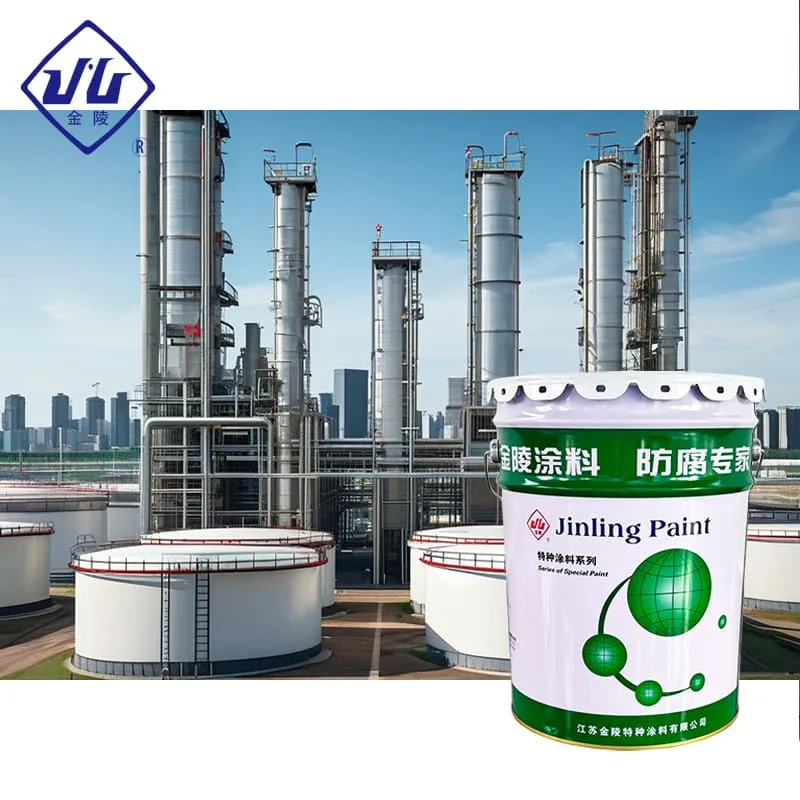
Jinling positions this category for industrial users that need protection on steel structures, equipment, tanks, pipelines, and offshore assets. In practical terms, a coating system is only as strong as its weakest layer, so primer selection, topcoat compatibility, and application control all matter. This guide explains what the coating is, how it works, where it fits, and how to choose a system based on exposure level, substrate condition, and service life goals.
Heavy Duty Anti Corrosion Coating for Harsh Environments is a multilayer protective system designed to reduce contact between metal surfaces and corrosive agents. In most industrial projects, the system includes a surface-preparation stage, a primer such as a zinc-rich primer for harsh environments, an intermediate build coat, and a finish coat. The objective is not cosmetic coverage but controlled resistance to water, oxygen, chloride ions, chemicals, and abrasion.
A practical definition must include environment severity. A coating specified for dry indoor steel is not equivalent to a marine coating for offshore structures or an industrial coating for chemical resistance. The correct system depends on whether the asset faces constant wetting, salt fog, splash zones, condensation, or cyclic chemical washdown.
From an engineering point of view, this category usually includes epoxy coating for corrosion protection because epoxies offer strong adhesion and low permeability. In many field specifications, dry-film thickness ranges from about 150 to 400 microns across the full system, depending on the exposure class and target life. That thickness alone does not guarantee protection, because adhesion, cure quality, and surface cleanliness are equally important.
Corrosion costs are driven by downtime, repairs, coating failures, and accelerated metal loss. In wet, humid, marine, and industrial settings, corrosion can start as early as the first coating defect, edge holiday, or pinhole. For assets exposed to chloride-bearing air, chemical mist, or frequent cleaning, a light-duty paint system can fail before the planned maintenance window.
A heavy duty anti corrosion coating is used when the cost of failure is higher than the cost of a more engineered system. This is common for pressure vessels, structural steel, loading platforms, storage tanks, bridge components, and process equipment. In these cases, the coating is part of asset protection, not just surface appearance.
The business case also includes total cost of ownership. A system that lasts 10 years with one planned maintenance cycle can be materially cheaper than a low-cost coating that requires spot repair every 12 to 24 months. Buyers should measure the upfront price against labor hours, shutdown time, blasting cost, and expected recoating intervals.
The working principle is barrier protection combined with adhesion and, in some systems, sacrificial protection. Barrier coatings reduce the transfer of water, salts, and gases through the film. Zinc-rich systems can also provide galvanic protection to steel in the event of local damage, which is one reason they are used in exposed industrial environments.
The coating stack typically performs three jobs. First, the primer bonds to prepared steel and suppresses underfilm corrosion. Second, the intermediate layer increases film build and reduces permeability. Third, the topcoat resists weathering, UV, splash, and chemical attack.
Performance depends heavily on surface preparation for corrosion protection. A coating applied to steel with mill scale, oil, salt residue, or flash rust may show early blistering or adhesion loss. In many specifications, blast cleaning to Sa 2.5 or SSPC-SP 10 is used for severe service because cleaner anchor profiles improve mechanical keying and coating adhesion.
Different service environments require different protection levels. A system for sheltered indoor steel should not be specified the same way as a system for splash zones or marine exposure. The evaluation must include humidity, salinity, abrasion, chemical contact, and expected maintenance access.
Mild industrial exposure includes controlled indoor plants, utility rooms, and dry equipment frames. In these conditions, a primer plus epoxy topcoat may be adequate if temperature cycling is limited and direct chemical contact is rare. Many projects use a total dry-film thickness near 120 to 200 microns for this class, though exact values depend on the substrate and corrosion allowance.
This level is often suitable when the asset is inspected regularly and cleaning is simple. It is not the right choice if condensation occurs daily or if washdown chemicals are used. For those cases, the coating should be upgraded to a heavier epoxy or epoxy-plus-polyurethane system.
Wet and humid environments create recurring moisture films that accelerate coating breakdown. Condensation also increases the risk of underfilm corrosion if the surface is not fully cleaned and dried before application. For these conditions, a corrosion resistant coating with lower permeability and stronger edge coverage is generally preferred.
A common system approach is a zinc-rich primer followed by high-build epoxy. This structure helps reduce corrosion underfilm spread if a local defect occurs. It is also more suitable for tanks, pipe racks, and steel in non-immersed but persistently damp areas.
Marine exposure adds salt spray, chloride deposition, wind-driven moisture, and often splash-zone abrasion. Marine coating for offshore structures is usually specified with stronger film build, stricter surface prep, and more frequent inspection intervals than inland industrial projects. In practice, the coating must resist not only salts but also mechanical wear from maintenance traffic and weather cycles.
For offshore equipment, system selection should consider the access window for repair. If recoating requires shutdown or marine support, the upfront specification should favor a longer maintenance interval. In many offshore projects, the target is not just initial protection but a layered strategy that limits the spread of damage between inspections.
Industrial plants can combine humidity, acids, alkalis, solvents, and thermal cycling. In these settings, a heavy duty anti-corrosion coating guide should include chemical resistance tables, curing windows, and compatibility with cleaning agents. Epoxy systems are often chosen for chemical protection, but the exact formulation matters because not all epoxies handle the same pH range or solvent mix.
For process equipment, the failure mode is often chemical softening rather than simple rusting. That is why application fit matters as much as chemistry. A coating that resists salt spray may still fail under repeated solvent wash if the resin system is not designed for it.
The most expensive coating can fail early if the substrate is contaminated. Oil, salts, moisture, and poorly removed mill scale create weak adhesion zones. For heavy-duty service, coating life is often determined less by the label on the product and more by the quality of blasting, cleaning, and environmental control.
Common preparation steps include degreasing, abrasive blasting, dust removal, and profile verification. For severe environments, surface roughness is usually controlled to a range that supports mechanical bond formation. Many industrial projects also require soluble-salt testing before coating because invisible contamination can cause blistering after cure.
This is one of the most important buying distinctions. Some products are designed only for dry, blast-cleaned steel, while others can tolerate damp substrates or limited wet-surface application. The difference affects outage planning, weather windows, and repair strategy.
If the job requires emergency maintenance, condensation control may be impossible. In that case, a wet-surface-tolerant product can reduce delay risk, but it usually comes with tradeoffs in cure speed, film build, or final performance. If the project allows full shutdown and drying, a dry-surface-only system may provide stronger long-term results.
Incorrect mixing ratio, short induction time, high humidity, and insufficient recoat intervals can all reduce final performance. Spray pressure, nozzle size, and wet film thickness also affect the barrier structure. Coating thickness should be measured during application because underbuild creates weak spots and overbuild can trap solvent.
A practical inspection plan should include wet film checks, dry-film measurements, and adhesion verification. In many industrial procurement cases, these controls matter as much as the coating chemistry. They also reduce delivery risk because the project team can identify issues before the asset returns to service.
Different substrates and field conditions call for different coating architectures. A steel tank, a galvanized pipe support, and a corroded offshore handrail do not require the same system. The decision framework should begin with substrate condition, then move to exposure severity, then to maintenance access.
| Condition / Environment | Suggested System Direction | Reason |
|---|---|---|
| Clean steel in dry indoor service | Epoxy primer plus protective topcoat | Lower moisture load and easier inspection |
| Humid industrial zone | Zinc-rich primer plus high-build epoxy | Better barrier and underfilm corrosion control |
| Marine splash or salt spray | Multi-coat heavy-duty anti-corrosion system | Higher chloride and wetting exposure |
| Chemical plant equipment | Chemical-resistant industrial protective coating | Greater resistance to solvents and process fluids |
| Emergency repair on damp steel | Wet-surface-tolerant repair coating | Reduces delay when full drying is not possible |
The table above shows why a single product cannot cover every use case. The best system is the one matched to the field condition, not the one with the broadest marketing claim. For buyers, this means comparing application constraints before comparing price.
Standard paint is usually designed for appearance, moderate weathering, or light protection. Heavy duty anti corrosion coating is built for longer service life, higher film build, and harsher exposure. The difference is not only in chemistry but also in target performance, specification controls, and maintenance expectations.
Paint may work on sheltered steel or low-risk equipment. However, it usually does not provide the same barrier thickness, edge retention, or chemical resistance required in wet, salty, or industrial settings. If the asset is mission-critical, the decision should favor a protection system rather than a decorative finish.
The practical rule is simple. If the structure can tolerate frequent touch-up, paint may be acceptable. If failure creates outage cost, safety exposure, or replacement cost, heavy duty protection is the better category to evaluate.
A durable coating strategy is layered, not single-step. The primer handles adhesion and base corrosion control, the build coat adds thickness, and the finish coat protects against UV, abrasion, or chemical attack. This layered design also supports staged maintenance because each layer can extend the service interval of the next.
Long-term planning should include inspection frequency, repair threshold, and recoating schedule. For offshore equipment or industrial plants, visual checks alone may miss early underfilm defects. Periodic DFT measurement, edge inspection, and spot adhesion checks help identify risk before rust becomes widespread.
The most economical strategy is often to protect the most exposed zones with the strongest system and use targeted repair on lower-risk zones. That is especially relevant for large steel assets where full recoating requires major shutdown cost. In these cases, a layered corrosion-protection strategy usually lowers lifetime cost compared with reactive repair.
The choice should start with environment severity and substrate condition. After that, buyers should confirm whether the product is intended for dry steel, damp steel, or emergency repair. The final decision should also reflect maintenance access, expected lifespan, and the cost of downtime.
Exposure class: Salt spray, humidity, splash zones, or chemical contact change the chemistry required.
Substrate condition: New steel, aged steel, or partially corroded steel need different preparation and primer choices.
Application window: Dry-weather projects and wet-weather repairs cannot use the same product assumptions.
Inspection plan: Projects with strict QC should specify measurable DFT, adhesion, and salt-contamination limits.
Maintenance goal: A 3-year touch-up plan is not equivalent to a 10-year protection target.
If the environment is severe and access is difficult, prioritize a multilayer system with strong barrier properties. If the substrate is already compromised, invest more in cleaning and primer selection than in a premium topcoat alone. If the project must proceed on damp steel, choose a product designed for that condition and confirm the performance envelope before purchase.
For procurement teams, this is where Heavy Duty Anti Corrosion Coating should be evaluated against not only technical data sheets but also schedule constraints. A lower unit price can become more expensive if it adds blasting steps, prolongs outage time, or requires early recoating. The correct choice is the one that fits the exposure case and the operational plan.
Jinling supplies coating systems for industrial protective coating applications, including steel structures, equipment, and other assets exposed to corrosive conditions. For buyers, the important questions are not only what the coating contains, but also whether the system supports the required surface condition, film build, and service environment. That is especially true when comparing marine, offshore, and plant-floor applications.
A procurement review should ask for test references, application parameters, and compatibility data for primers and topcoats. It should also ask whether the recommended system is optimized for dry-surface installation or whether it can support wet-surface repair work. If the project involves long service intervals, the maintenance plan should be defined at the start, not after the coating is already in service.
Total cost of ownership includes material, labor, surface preparation, inspection, downtime, and future recoating. In many industrial projects, surface preparation can account for a large share of the applied cost because blasting, containment, and dust control require equipment and labor. A coating with a higher material price may still reduce lifetime cost if it extends the maintenance interval.
For example, if one system lasts 10 years and another lasts 4 years under the same exposure, the shorter-life system may require two additional shutdown cycles over the same period. Each shutdown can add labor, access equipment, cleaning, inspection, and process interruption costs. That is why buyers should compare lifecycle cost, not only can price per liter or price per square meter.
A simple TCO model should include the following items:
| Cost Element | What to Measure | Why It Matters |
|---|---|---|
| Material cost | Price per liter or kilogram | Direct purchase expense |
| Surface prep | Blasting, cleaning, containment | Often the largest field cost |
| Application labor | Crew hours and equipment use | Impacts project duration |
| Downtime | Lost production or access time | Can exceed coating material cost |
| Maintenance cycle | Recoat interval in years | Determines lifecycle cost |
When these factors are reviewed together, the value of a heavy duty anti-corrosion coating becomes clearer. The most expensive failure is usually not the coating material itself, but the rework that follows early breakdown. Buyers should therefore compare systems by service life, not by unit price alone.
Choosing the right Heavy Duty Anti Corrosion Coating for Harsh Environments depends on exposure severity, substrate type, required lifespan, and maintenance goals. The best systems combine proper surface preparation, durable chemistry, and correct application for long-term protection. For wet, humid, salt, marine, and industrial settings, the coating must be matched to both the environment and the field conditions.
If you are evaluating options, start with the three variables that matter most: environment severity, surface condition, and application constraints. Then verify whether the system is intended for dry steel, damp steel, or emergency repair, and confirm the inspection and recoating plan. For industrial buyers, the most reliable purchasing decision is the one that reduces delivery risk, controls coating failure, and lowers total cost of ownership over the asset’s service life.
A: Start with the exposure level, substrate condition, and application constraints. For clean steel in dry indoor service, an epoxy primer plus protective topcoat may be sufficient; for humid or marine conditions, a zinc-rich primer with a high-build epoxy system is usually more suitable. If the asset faces chemicals, salt spray, or splash zones, you should confirm chemical resistance, film build, and inspection requirements before purchasing.
A: For marine and offshore service, buyers should generally look for a multi-coat heavy-duty anti-corrosion system with stronger film build and stricter surface preparation. These environments need better resistance to chlorides, wetting, and abrasion, so the system should be selected for longer maintenance intervals and easier inspection planning, not only initial price.
A: Some heavy-duty systems are designed for dry blast-cleaned steel only, while others are formulated for wet-surface-tolerant repair. If the project involves condensation, emergency maintenance, or limited shutdown time, you should confirm whether the product is suitable for damp substrate application and what tradeoffs may apply in cure speed or final performance.
A: For severe service, surface preparation is critical and often determines service life. Typical requirements include degreasing, abrasive blasting, dust removal, profile verification, and salt-contamination checks, with blast cleaning to Sa 2.5 or SSPC-SP 10 often used for harsh environments. Poor surface cleanliness can lead to blistering, adhesion loss, and early coating failure.
A: You should request the recommended system structure, dry-film thickness range, surface preparation standard, compatibility between primer and topcoat, and any application limits for dry or damp steel. It is also important to confirm inspection criteria, recoat intervals, and whether the system is intended for mild industrial, humid, marine, or chemical exposure so the quotation matches the real service condition.
Copyright:@2020-2021

Comments Please sign in or sign up to post.
0
0 of 500 characters used